Call Us

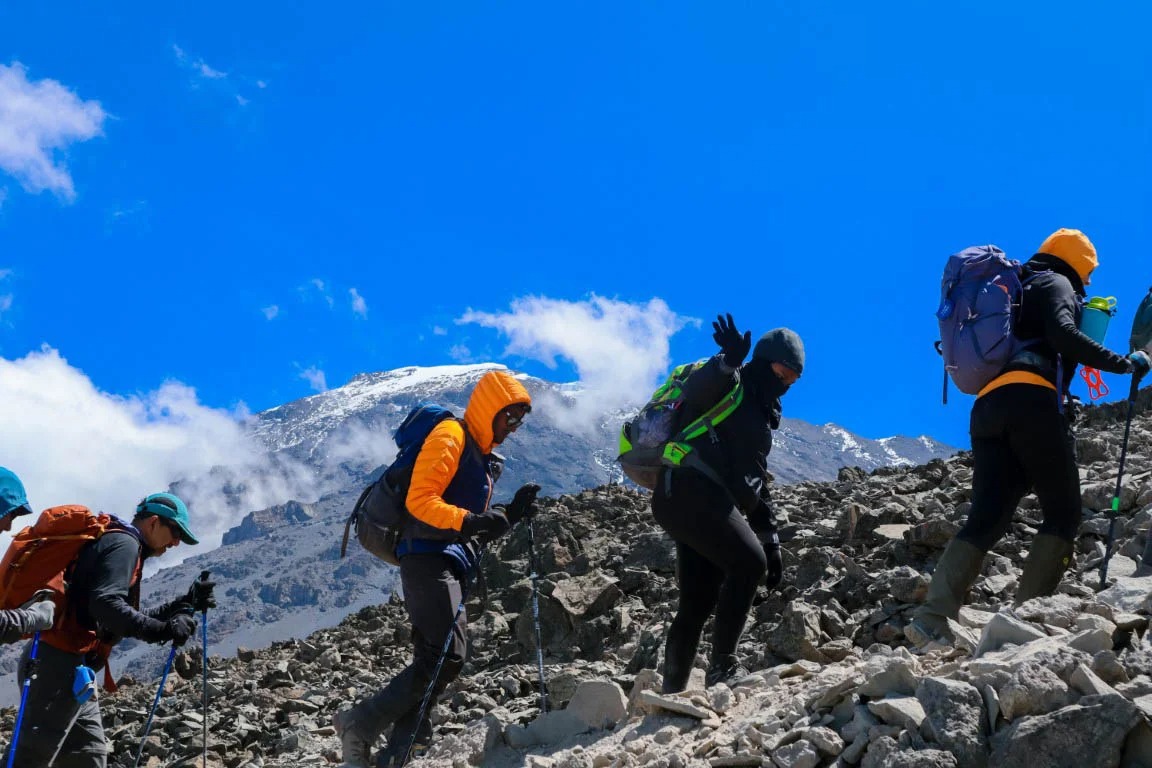
Stand on the summit of Africa. At 5,895 meters (19,341 feet) above sea level, Uhuru Peak on Mount Kilimanjaro is the highest point on the African continent — a legendary, life-changing destination that draws adventurers from every corner of the world. Unlike the world's other great peaks, Kilimanjaro requires no technical climbing experience or specialist equipment — only determination, the right preparation, and a trusted expert team by your side.
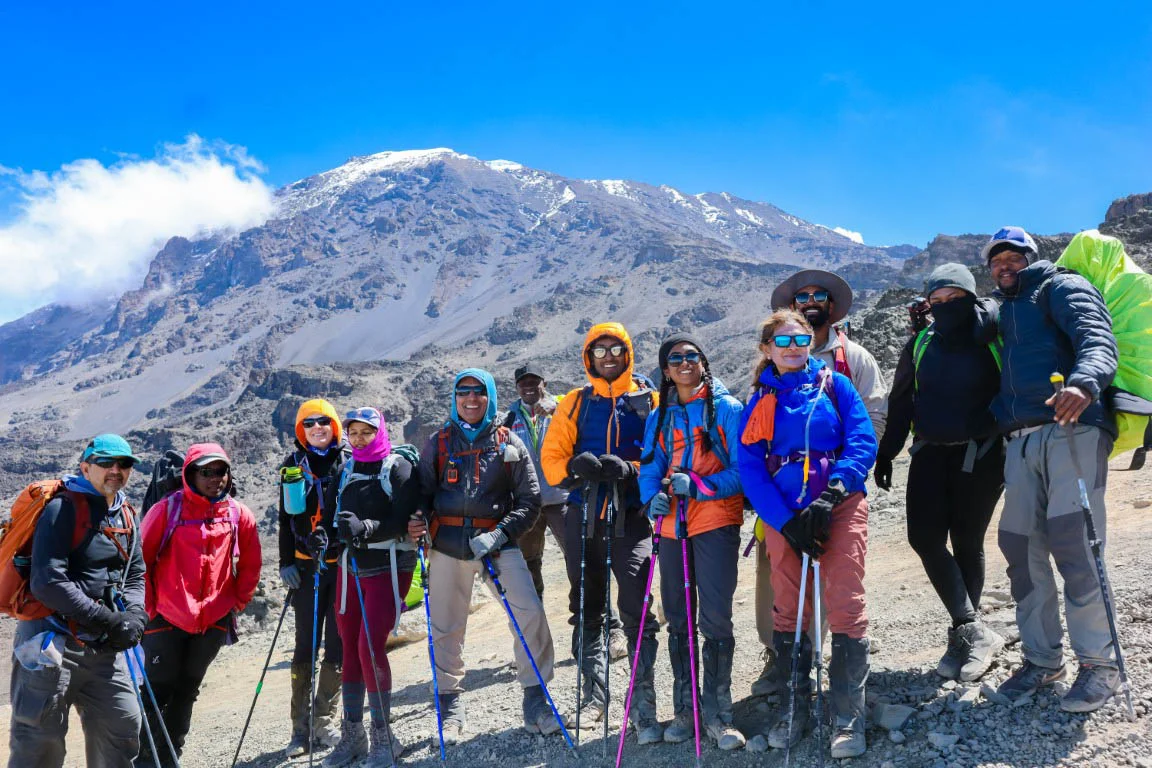
At Kilipark, we have built our reputation on one thing — getting you to the top, safely and unforgettably. Our Kilimanjaro trekking tours are designed for every type of adventurer, from first-time trekkers taking on their first high-altitude challenge to seasoned mountaineers pursuing Africa's greatest summit. With multiple routes, flexible itineraries, and fully inclusive packages, Kilipark makes your Kilimanjaro dream a reality.
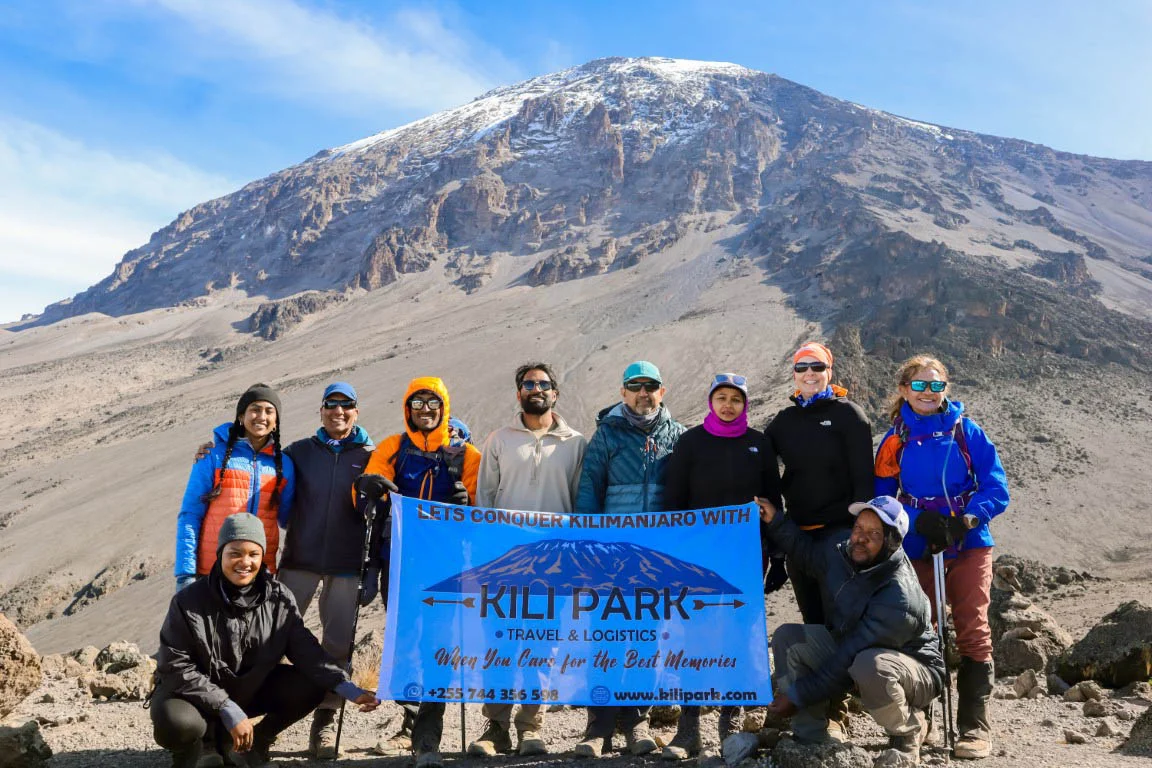
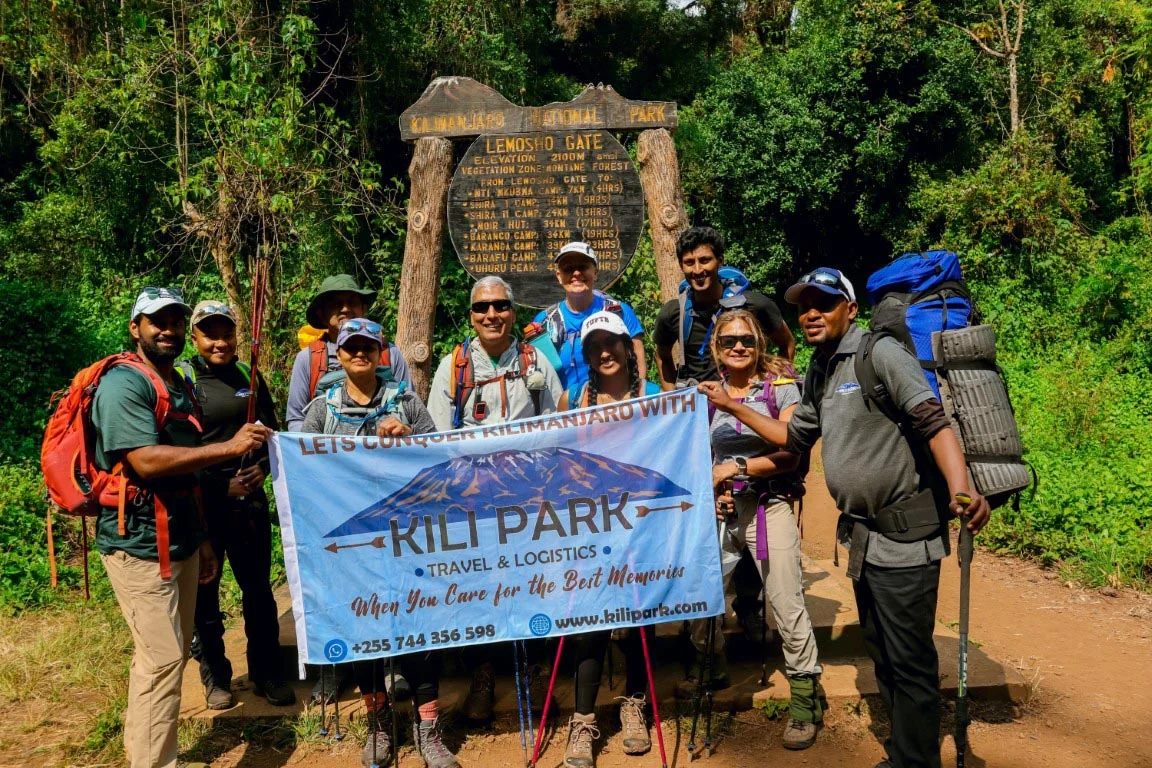
Kilipark is a locally owned, KINAPA-certified Kilimanjaro trekking operator based in Moshi, Tanzania — at the very foot of the mountain we call home. Every guide, porter, and cook on our team has grown up in the shadow of Kilimanjaro, bringing unmatched local knowledge, genuine passion, and deep expertise to every climb we operate.
When you trek with Kilipark, you are not just booking a tour. You are placing your summit ambitions in the hands of people who live and breathe this mountain every single day.
Mount Kilimanjaro offers six established trekking routes, each with its own character, scenery, difficulty level, and acclimatization profile. Choosing the right route is the single most important decision you will make for your Kilimanjaro climb. Below is Kilipark's complete guide to every route on the mountain.
Duration: 5 or 6 Days | Difficulty: Moderate | Accommodation: Permanent Huts
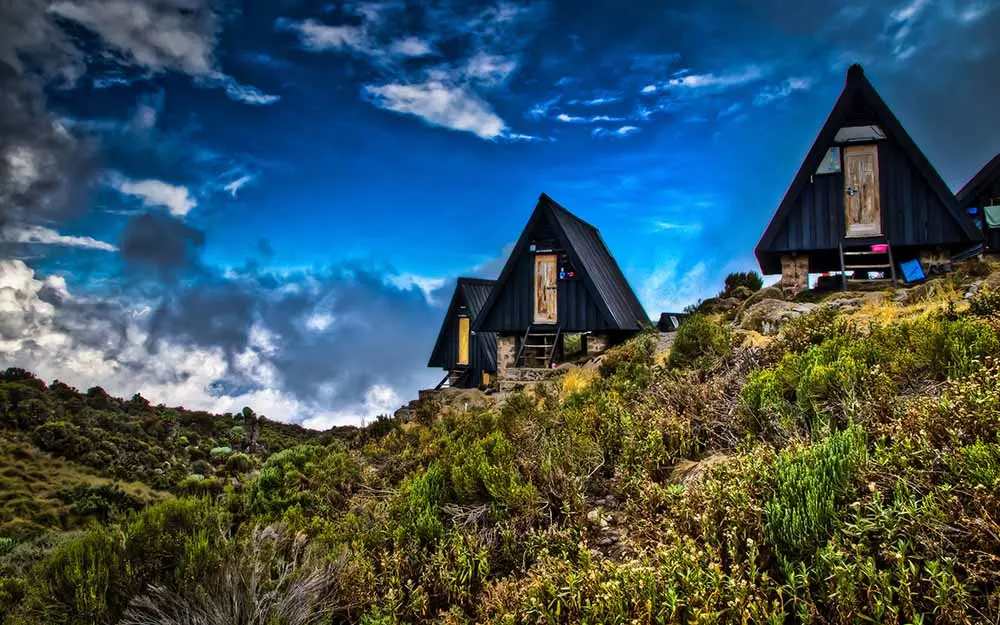
The Marangu Route is Kilimanjaro's most established and accessible trail — and the only route on the mountain offering permanent hut accommodation throughout the trek. Approaching from the southeast, Marangu follows a well-maintained path through montane forest and open moorland to the summit crater. The 6-day option includes a vital acclimatization day at Horombo Huts, significantly improving summit success rates over the standard 5-day itinerary. Ideal for trekkers who prefer the comfort of shelter over tents and a classic, structured Kilimanjaro experience.
Best For: First-time trekkers, comfort seekers, and budget-conscious adventurers.
Duration: 6 or 7 Days | Difficulty: Challenging | Accommodation: Tented Camps
The Machame Route is the most popular route on Kilimanjaro — and for very good reason. Approaching from the southwest, this spectacular trail traverses the Shira Plateau, passes the dramatic Lava Tower, scales the thrilling Barranco Wall, and follows the breathtaking Southern Circuit below Kilimanjaro's ancient glaciers. The 7-day itinerary delivers superior acclimatization and one of the highest summit success rates on the mountain. Machame is widely regarded as the finest balance of challenge, scenery, and summit achievement available on Kilimanjaro.
Best For: Fit and motivated trekkers, scenery lovers, and those seeking a high summit success rate.
Duration: 7 or 8 Days | Difficulty: Moderate to Challenging | Accommodation: Tented Camps
The Lemosho Route is universally acclaimed as the most beautiful and most successful route on Kilimanjaro. Beginning in a remote, pristine western rainforest, Lemosho traverses the full length of the Shira Plateau, follows the entire Southern Circuit, and consistently delivers a summit success rate above 90%. With the most generous acclimatization profile of any route on the mountain, the 8-day Lemosho itinerary is the gold standard for trekkers who demand the very best chance of reaching Uhuru Peak while experiencing Kilimanjaro's most spectacular wilderness scenery.
Best For: Serious trekkers, those prioritizing maximum summit success, and adventurers seeking the ultimate Kilimanjaro experience.
Duration: 6 or 7 Days | Difficulty: Moderate | Accommodation: Tented Camps
The Rongai Route is Kilimanjaro's most remote and least-traveled trail — the only route approaching the summit from the north, along the Kenyan border. Rongai offers a completely different perspective of the mountain, with vast open moorlands, semi-arid northern landscapes, and a remarkable sense of wilderness solitude rarely found on the busier southern routes. The 7-day itinerary includes excellent acclimatization and descends via the Marangu Route, making it a wonderfully varied and rewarding full-mountain experience.
Best For: Solitude seekers, wildlife enthusiasts, and trekkers wanting a unique perspective of Kilimanjaro.
Duration: 9 Days | Difficulty: Moderate to Challenging | Accommodation: Tented Camps
The Northern Circuit is Kilimanjaro's longest and most comprehensive route — a full circumnavigation of the mountain combining the remote wilderness of the Rongai approach with the complete Northern Circuit traverse before joining the Southern Circuit for the summit push. With nine days on the mountain and the most extensive acclimatization profile available, the Northern Circuit delivers the highest summit success rate of all Kilimanjaro routes alongside unparalleled views of every face of the mountain.
Best For: Trekkers seeking maximum acclimatization, the highest summit success rate, and the most complete Kilimanjaro experience available.
Duration: 6 Days | Difficulty: Very Challenging | Accommodation: Tented Camps
The Umbwe Route is Kilimanjaro's steepest, most direct, and most demanding trail — ascending rapidly through dense rainforest via a steep, narrow ridge directly to the Southern Circuit. With limited acclimatization time, Umbwe carries a lower summit success rate than longer routes and is best suited to experienced trekkers with a strong high-altitude background. For those with the fitness and experience to handle the demanding ascent, Umbwe offers a raw, intense, and deeply rewarding Kilimanjaro adventure.
Best For: Experienced high-altitude trekkers seeking maximum challenge and a direct, uncompromising ascent.
| Route | Duration | Difficulty | Accommodation | Success Rate | Best For |
|---|---|---|---|---|---|
| Marangu | 5–6 Days | Moderate | Huts | 65–85% | Beginners & Comfort |
| Machame | 6–7 Days | Challenging | Tents | 80–90% | Scenery & Challenge |
| Lemosho | 7–8 Days | Moderate to Hard | Tents | 90–95% | Best Overall |
| Rongai | 6–7 Days | Moderate | Tents | 75–85% | Solitude & Wildlife |
| Northern Circuit | 9 Days | Moderate to Hard | Tents | 90–95% | Ultimate Experience |
| Umbwe | 6 Days | Very Hard | Tents | 60–70% | Experienced Trekkers |
Kilimanjaro can be trekked year-round, but choosing the right season dramatically improves your experience, your safety, and your summit success rate. There are two primary trekking seasons and two shorter shoulder windows to be aware of.
One of the best periods to climb Kilimanjaro. Cold, dry, and extraordinarily clear, this window offers brilliant summit visibility, dramatic snow and ice conditions, and iconic summit photographs. Temperatures are cold but manageable, and the trails are far less crowded than the peak July and August window. Kilipark highly recommends this season for trekkers who prefer a quieter, crisper mountain experience.
The long rainy season brings heavy, persistent rain to the lower slopes and thick cloud cover across the mountain. Trails become muddy and slippery, visibility is significantly reduced, and summit conditions are challenging. Kilipark does not recommend trekking during this period unless no other window is available.
The longest and most popular trekking season on Kilimanjaro. Dry, stable, and reliably clear, this window offers the most predictable weather and the finest overall trekking conditions across all routes. July and August represent the absolute peak of the Kilimanjaro trekking calendar — warm days, cold but dry nights, excellent visibility, and superb conditions on every route. Book well in advance for travel during this period as spaces fill quickly.
A shorter rainy period with lighter, less predictable rainfall than the long rains. The mountain is notably less crowded, prices are more favorable, and many days still offer excellent trekking conditions — particularly on the northern Rongai Route, which receives significantly less rainfall than the southern approaches. An excellent value-season option for flexible trekkers.
A popular and festive trekking window, with dry and stable conditions returning after the short rains. Reaching Uhuru Peak over Christmas or the New Year is a profoundly memorable experience, and Kilipark operates regular departures throughout this period.
Every Kilipark Kilimanjaro trekking package is fully inclusive — designed to remove every logistical concern and allow you to focus entirely on the climb ahead.
Do I need prior climbing experience to summit Kilimanjaro? No technical climbing experience is required. Kilimanjaro is a non-technical trek accessible to any person with reasonable physical fitness, a positive mindset, and proper preparation. Kilipark's certified guides will support you every step of the way.
How fit do I need to be to climb Kilimanjaro? You should be comfortable walking 6 to 8 hours per day over consecutive days on uneven mountain terrain. We recommend a structured training program involving regular hiking, cardiovascular exercise, and stair climbing for at least 3 to 4 months before your trek.
What is the biggest challenge on Kilimanjaro? Altitude sickness — known as Acute Mountain Sickness — is the primary challenge on Kilimanjaro, not the physical difficulty of the trail itself. Choosing a longer route with more acclimatization days is the single most effective way to reduce this risk. Kilipark guides conduct daily health monitoring at every camp to detect any early signs of altitude illness and respond accordingly.
Which Kilimanjaro route has the highest success rate? The Lemosho 8-Day and Northern Circuit 9-Day routes consistently deliver the highest summit success rates, exceeding 90% for well-prepared trekkers, due to their superior acclimatization profiles. Kilipark recommends these routes for any trekker whose primary goal is reaching Uhuru Peak.
What is the best time to climb Kilimanjaro? The best months to climb Kilimanjaro are January through mid-March and June through October. Both windows offer dry, stable, and clear conditions ideal for trekking and summit attempts.
How much does a Kilimanjaro trek with Kilipark cost? Kilimanjaro trek prices vary depending on route, duration, and group size. All Kilipark packages are competitively priced and fully inclusive of all park fees, meals, guide and porter services, and camping equipment. Contact our team today for a personalized quote tailored to your dates and preferred route.
Whether you choose the comfortable huts of the Marangu Route, the dramatic scenery of the Machame Route, the pristine wilderness of the Lemosho Route, or the remote solitude of the Rongai Route — every path on Kilimanjaro leads to the same extraordinary destination: Uhuru Peak, 5,895 meters, the Roof of Africa.
Kilipark's team of experienced local guides, porters, and mountain crew is ready to take you there — from your first inquiry to the moment you stand on Africa's highest summit with the world at your feet.
The mountain is calling. Climb it with Kilipark.
KILIPARK – Tanzania Safari & Kilimanjaro Trekking Experts
Call Us
Copyright © KILIPARK | All Rights Reserved