Call Us

Kilimanjaro does not require you to be an elite athlete — but it does demand a solid base of cardiovascular fitness and hiking endurance. The climbers who struggle most on the mountain are not the unfit ones — they are usually the ones who arrived undertrained and underestimated the cumulative effect of 6 to 7 hours of daily hiking at altitude. This 12-week programme builds the foundation you need for a strong, confident summit attempt.
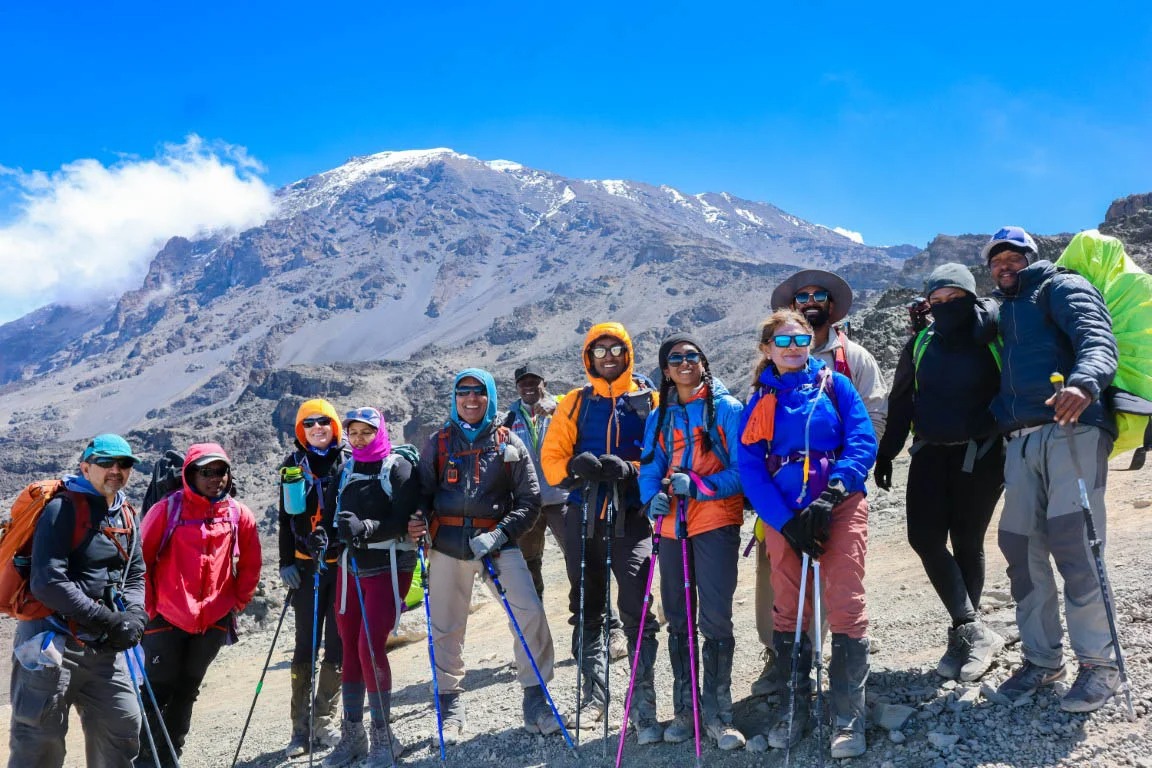
You need to be able to walk uphill for 5 to 7 hours per day, carrying a 5 to 7kg daypack, for 6 to 7 consecutive days. At altitude, everything feels harder — your heart rate is elevated, breathing is more laboured, and recovery takes longer. The fitter you are at sea level, the more comfortable you will be on the mountain.
Begin with 3 to 4 cardiovascular sessions per week of 30 to 45 minutes each — brisk walking, cycling, swimming, or light jogging. The priority in the first month is building aerobic base and getting your joints used to sustained activity. Include one longer weekend walk of 2 to 3 hours on varied terrain. Begin wearing your Kilimanjaro boots on every walk to break them in simultaneously.
Increase session duration and introduce elevation gain. Weekend hikes should now cover 4 to 6 hours with at least 600 to 800 metres of ascent and descent. If you are training at sea level without access to hills, stair climbing, treadmill incline work, and step machines are effective substitutes. Add a second weekly strength session focusing on legs, core, and back — these muscle groups take the most stress on Kilimanjaro's long descents.
Build up to back-to-back long hiking days — hike 5 to 6 hours on Saturday followed by 4 to 5 hours on Sunday, carrying a loaded pack. This simulates the cumulative fatigue of multi-day trekking. If possible, complete one overnight hiking trip or multi-day trek before your Kilimanjaro departure. Begin tapering activity in the final 10 days before your climb.
The summit push on Kilimanjaro is as much mental as physical. Practise staying calm under physical discomfort during training. Learn to breathe slowly and steadily when working hard. Develop the habit of focusing on the next step rather than the remaining distance. These mental tools will serve you well when you are at 5,600 metres in the dark.
Every KILIPARK client receives a detailed pre-climb preparation guide including training recommendations, gear advice, dietary guidance, and altitude preparation tips. We want you at your best when you stand at Machame Gate — because that is where our job begins.
KILIPARK – Tanzania Safari & Kilimanjaro Trekking Experts
Call Us
Copyright © KILIPARK | All Rights Reserved