Call Us

Climbing Mount Kilimanjaro is one of the most extraordinary adventures in the world. Standing at 5,895 meters, it is the highest mountain in Africa and the tallest free-standing mountain on Earth. Unlike technical peaks, Kilimanjaro is a trekking mountain, meaning no ropes or climbing experience are required. However, reaching the summit is still a serious challenge that demands preparation, the right mindset, and proper guidance.
This complete Kilimanjaro climbing guide by KILIPARK covers everything you need to know—from routes and preparation to altitude, packing, and success tips—so you can plan a safe and successful summit.
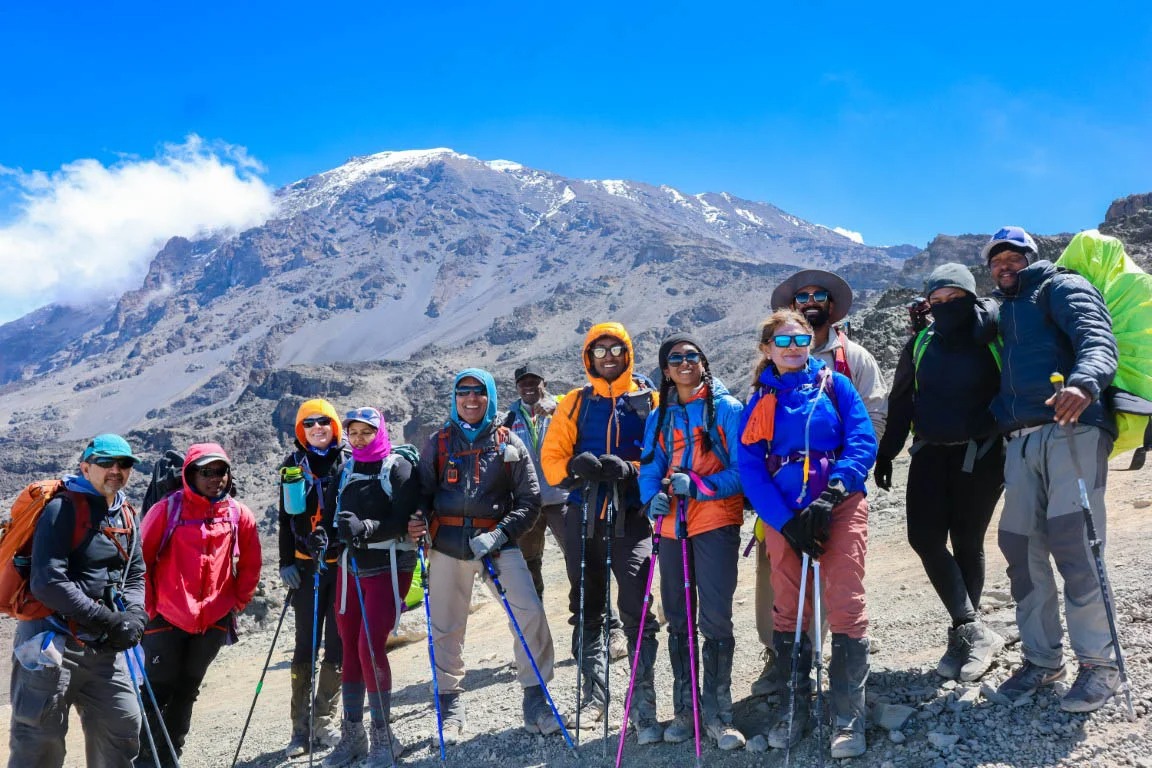
Kilimanjaro offers a unique trekking experience unmatched anywhere else in the world. Over the course of several days, you will walk through five ecological zones, starting in lush rainforest and ending on a glacier-covered summit.
The journey is not just physical—it is also mental. Each step brings new landscapes, changing weather, and a growing sense of achievement as you get closer to Uhuru Peak.
Mount Kilimanjaro is located in northern Tanzania, near the border with Kenya. It is part of Kilimanjaro National Park, a UNESCO World Heritage Site.
The nearest town is Moshi, which serves as the main base for climbers. Most international travelers arrive via Kilimanjaro International Airport (JRO).
There are several established routes to the summit, each offering a different experience.
Choosing the right route is one of the most important decisions, as it affects your acclimatization and overall success.
Climbing Kilimanjaro typically takes between 5 and 9 days, depending on the route.
Shorter routes may seem appealing, but they have lower success rates due to poor acclimatization. Longer routes allow your body to adjust to altitude gradually, increasing your chances of reaching the summit.
For best results, a 7 to 8-day itinerary is highly recommended.
Kilimanjaro is considered a non-technical trek, but it is physically demanding.
The biggest challenge is altitude, not terrain. As you ascend, oxygen levels decrease, making it harder to breathe and increasing fatigue.
Even fit individuals can struggle if they do not acclimatize properly.
Altitude sickness is the main reason climbers fail to reach the summit.
Common symptoms include:
To reduce risk:
Your guides will monitor your condition daily to ensure your safety.
Kilimanjaro can be climbed year-round, but certain months offer better conditions.
Dry seasons provide better trail conditions and clearer views.
Weather on Kilimanjaro varies greatly depending on altitude.
At the base, temperatures can be warm and humid. As you climb higher, conditions become colder, windier, and more unpredictable. Summit temperatures can drop below -10°C, especially with wind chill.
Proper clothing and layering are essential for comfort and safety.
Packing correctly is essential for a successful climb.
Avoid overpacking. Focus on quality and functionality.
You do not need to be an athlete, but you should be physically prepared.
Start training at least 8 to 12 weeks before your climb.
A typical day on Kilimanjaro follows a structured routine.
You wake up early, have breakfast, and begin trekking at a steady pace. Breaks are taken along the way for rest and hydration. After reaching camp, you relax, eat dinner, and prepare for the next day.
Summit night begins around midnight and is the most challenging part of the climb.
Climbers are provided with freshly prepared meals during the trek.
Meals are designed to be nutritious and energy-rich, including carbohydrates, proteins, fruits, and vegetables.
Hydration is critical. You should drink at least 3 liters of water per day to aid acclimatization.
Climbing Kilimanjaro requires a licensed guide. Independent trekking is not allowed.
A professional team typically includes:
KILIPARK provides experienced guides trained in high-altitude safety, first aid, and emergency procedures.
Summiting Kilimanjaro is as much a mental challenge as it is physical.
Kilimanjaro is a protected environment. Responsible tourism is essential.
KILIPARK is committed to sustainable and responsible tourism practices.
After your climb, many travelers choose to relax or explore more of Tanzania.
Popular options include:
This combination creates a complete and unforgettable African adventure.
Climbing Kilimanjaro is a life-changing experience. With the right preparation, proper gear, and a professional team, reaching the summit is achievable for many people.
The journey is not just about standing at the top—it is about the experience, the people, and the challenge along the way.
With KILIPARK, you are in expert hands every step of the journey.
KILIPARK – Tanzania Safari & Kilimanjaro Trekking Experts
Call Us
Copyright © KILIPARK | All Rights Reserved