Call Us

Climbing Mount Kilimanjaro is one of the most iconic trekking experiences in the world. Standing at 5,895 meters, it is Africa’s highest peak and a true bucket-list adventure for many travelers. However, reaching the summit successfully is not just about determination—it is heavily influenced by how well you prepare. One of the most critical aspects of that preparation is having the right packing list.
This comprehensive Kilimanjaro packing guide by KILIPARK is designed to help climbers understand exactly what to bring, why it matters, and how to pack efficiently for all conditions on the mountain. Whether you are a first-time trekker or an experienced hiker, this guide covers everything you need for a safe, comfortable, and successful climb.
Mount Kilimanjaro is unique because it passes through five distinct ecological zones during the ascent. Each zone presents different weather conditions, requiring careful planning when selecting clothing and equipment.
At the base, the rainforest zone is warm, humid, and often muddy. As you ascend, the terrain transitions into moorland, where temperatures begin to drop and weather becomes less predictable. Higher up, the alpine desert zone is dry, windy, and exposed to intense sun during the day and cold temperatures at night. Finally, the summit zone is arctic, with freezing temperatures, snow, ice, and strong winds.
Because of these variations, climbers must be prepared for a wide range of conditions, including heat, rain, wind, and extreme cold—all within a single trek.
When you climb Kilimanjaro with KILIPARK, many logistical aspects are taken care of to ensure your comfort and safety. The team provides high-quality tents, sleeping mats, cooking equipment, and all meals during the trek. Experienced guides and porters support you throughout the journey, carrying your main duffel bag and setting up camp each day.
However, climbers are responsible for bringing their own personal clothing, gear, and essentials. This is where proper planning becomes essential.
Kilimanjaro treks operate on a two-bag system. Your main gear is packed into a duffel bag, which is carried by porters. This bag must not exceed 15 kilograms. It contains your clothing, sleeping bag, and items you will use at camp.
You will also carry a daypack, typically between 30 and 40 liters. This bag holds everything you need during the day, including water, snacks, extra layers, rain gear, and personal items. Since you will carry this bag for several hours each day, it must be comfortable and properly fitted.
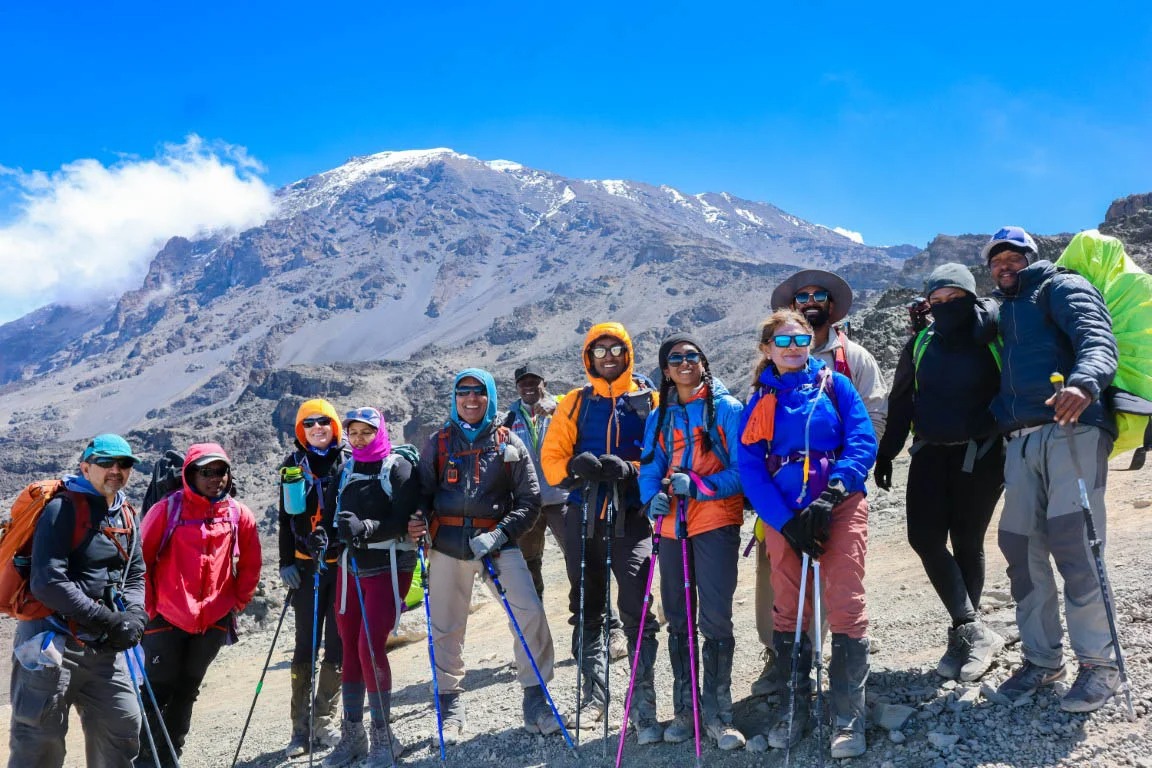
The most important concept when packing for Kilimanjaro is layering. Temperatures can fluctuate dramatically throughout the day, and your clothing must adapt accordingly.
The base layer sits closest to your skin and should be moisture-wicking. Materials such as merino wool or synthetic fabrics are ideal because they draw sweat away from your body and keep you dry.
The mid-layer provides insulation. Fleece jackets or lightweight insulated layers help retain body heat while allowing moisture to escape.
The outer layer protects you from wind, rain, and snow. A waterproof and windproof hard shell jacket and trousers are essential.
Avoid cotton at all costs. Cotton absorbs moisture and dries slowly, increasing the risk of getting cold and uncomfortable.
You will need at least one or two thermal tops and one thermal bottom. These are essential for colder days and especially for summit night. Bring four to five pairs of quick-drying underwear to maintain hygiene during the trek.
Pack three to four short-sleeved shirts and one to two long-sleeved shirts. These should be lightweight, breathable, and moisture-wicking.
A fleece jacket is ideal for moderate cold conditions, while a high-quality insulated jacket (down or synthetic) is necessary for cold evenings and the summit push.
A waterproof hard shell jacket and trousers are essential to protect you from rain, wind, and harsh conditions at higher altitudes.
Bring one or two pairs of hiking trousers, preferably lightweight and quick-drying. An additional insulated trekking pant is recommended for colder sections of the climb.
A comfortable daypack with adjustable straps and a hip belt is crucial. It should have enough capacity for water, snacks, and extra layers. A rain cover is highly recommended.
A durable and waterproof duffel bag of 80 to 90 liters is ideal. This will be carried by porters and must stay within the 15-kilogram weight limit.
A four-season sleeping bag rated to at least minus 15 to minus 20 degrees Celsius is required. Nights on Kilimanjaro can be extremely cold, especially at higher camps. If you do not have one, KILIPARK offers rental options.
Trekking poles are highly recommended as they reduce strain on your knees and improve balance, especially during descents.
You should be able to carry at least three liters of water. A hydration bladder combined with one or two bottles works best. Staying hydrated is essential for acclimatization and overall health.
Protecting your head from both sun and cold is critical. You will need a warm beanie for cold conditions and summit night, as well as a wide-brimmed hat for sun protection during the day.
A reliable headlamp is essential, particularly for summit night when you will begin your ascent in the dark. Bring spare batteries, as cold temperatures drain them quickly.
High-quality sunglasses with UV protection are also necessary, as sunlight intensity increases significantly at higher altitudes.
Bring both lightweight gloves for lower elevations and insulated gloves or mittens for colder conditions.
A good pair of waterproof trekking boots with ankle support is one of the most important items you will bring. Ensure they are well broken-in before your climb to avoid blisters.
Pack several pairs of hiking socks made from merino wool, along with a pair of thick thermal socks for summit night. Camp shoes or sandals are useful for relaxing in the evenings.
Gaiters are optional but helpful for keeping dirt, mud, and snow out of your boots.
Maintaining hygiene on Kilimanjaro can be challenging, so it is important to pack essential personal care items. These include sunscreen with high SPF, lip balm, wet wipes, hand sanitizer, a toothbrush, toothpaste, and a small towel.
Toilet paper is not always provided, so bring one or two rolls. Removing the cardboard center can save space.
While KILIPARK provides nutritious meals during the trek, bringing your own snacks is highly recommended. Energy bars, nuts, trail mix, and dried fruits are excellent choices. Electrolyte powders can help improve hydration and replace essential minerals.
Avoid excessive caffeine, as it can contribute to dehydration.
Although your guides will carry a comprehensive medical kit, you should bring a small personal kit for minor issues. Include blister plasters, pain relievers, anti-diarrhea medication, and any prescription medications you require.
Consult your doctor before the trip, especially regarding altitude sickness medication such as Diamox.
There are several key rules to follow when packing for Kilimanjaro. Your duffel bag must not exceed 15 kilograms. All gear should be packed in waterproof bags or stuff sacks to protect against rain and moisture.
Carry essential items in your daypack, as you will not have access to your duffel bag during the day. Always bring extra batteries for electronic devices, and pack critical items such as boots in your carry-on luggage to avoid issues with lost baggage.
Start preparing early and do not leave gear purchases until the last minute. Test all equipment before your trip, especially boots and backpacks. Practice hiking with your daypack to build comfort and endurance.
Learn how to manage your clothing layers effectively. Staying dry is essential, so change out of wet clothing as soon as possible.
Pack your bags in an organized way so that essential items are easy to access, especially in cold conditions.
Before traveling to Tanzania, ensure your passport is valid for at least six months. Most travelers require a visa, which can be obtained in advance or on arrival.
Travel insurance is mandatory and should cover high-altitude trekking. Depending on your travel route, you may need a yellow fever vaccination certificate.
It is important to note that Tanzania has banned single-use plastic bags, so avoid packing them.
Packing correctly for Kilimanjaro is one of the most important steps in preparing for your climb. The right gear will not only improve your comfort but also increase your chances of reaching the summit successfully.
Focus on quality, functionality, and proper layering rather than overpacking. With the right preparation and the support of KILIPARK’s experienced team, you will be fully equipped to take on this incredible adventure.
KILIPARK – Tanzania Safari & Kilimanjaro Trekking Experts
Call Us
Copyright © KILIPARK | All Rights Reserved